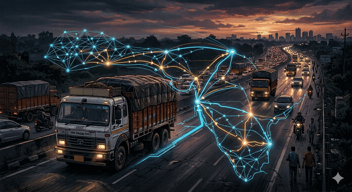
Green Logistics Automation Areas for SouthEast Asian Supply Chains

Southeast Asia's supply chains grapple with e-commerce booms, rapid urbanization, and rising sustainability mandates, pushing logistics emissions higher without smart interventions. Green logistics automation - powered by AI, robotics, and IoT - enables leaders to optimize for low-carbon operations, meet ESG expectations, and streamline costs amid growth in markets like Vietnam and Indonesia.
EV Fleet Automation
AI-driven route engines in TMS dynamically assign electric vehicles to urban short-hauls, factoring battery range, charging points, and traffic via real-time IoT. In cities like Bangkok or Manila, this boosts EV use while scheduling charges during off-peak hours, easing grid strain and cutting diesel reliance. Leaders align with regional EV pushes, scaling last-mile without infrastructure overloads.
Solar-Powered Warehouses
Automated WMS pairs rooftop solar with energy systems, directing low-power robotics for picking during peak sunlight. Indonesian facilities lower electricity draw by syncing tasks with solar forecasts, supporting round-the-clock ops even in remote areas. This fits ASEAN renewable goals, enhancing efficiency in off-grid zones.
AI Route Optimization
Self-learning algorithms analyze weather, traffic, and parcels to cut empty miles, improving fill rates across multimodal setups. Thai networks reroute during monsoons, reducing emissions compared to traditional GPS, with AI adapting to port delays. For archipelago challenges like the Philippines, it delivers meaningful fuel savings.
Reverse Logistics Loops
Automation uses RFID and vision tech to sort returns for reuse in circular e-commerce flows. In Malaysia, AI handles most returns for resale without manual sorting, minimizing waste and consolidating reverse trips. This builds sustainable q-commerce, converting refunds into opportunities.
Drone and AGV Integration
Warehouse systems deploy autonomous guided vehicles and drones for internal moves, tied to green energy sources. Singapore's micro-fulfillment spots achieve high pick accuracy with emission-free bots, easing labor gaps and forklift needs. Regional pilots extend to cross-dock island links, supporting green corridors.
IoT Carbon Tracking
Control towers pull IoT data from fleets and hubs for live emissions views, suggesting greener route options. Vietnamese exporters comply with global standards through automated reports, shifting to biofuels or rail as needed. This delivers verifiable ESG insights for robust supply chains.
Hydrogen Pilot Scaling
Automation readies hydrogen fuel cell trucks for long-haul routes, predicting refuels and upkeep. Indonesian corridor trials reduce CO2 over diesel, linking with port fueling setups for broader rollout. Leaders prepare for diesel restrictions, securing future operations.
Demand Forecasting Precision
ML in WMS predicts inventory for green stocking, curbing excess transport with timely consolidation. Philippine retailers manage seasonal volatility, incorporating circular packaging automation. This fosters efficiencies in unpredictable SEA markets.
Multimodal Green Hubs
Systems sync rail, sea, and truck via digital twins, favoring low-emission modes at key ports. AI directs containers to electrified rail, easing truck traffic and bolstering ASEAN links. Leaders strengthen networks amid shifting global trade.
Workforce Upskilling Platforms
Gig apps train drivers on eco-routes through intuitive dashboards, moving teams to oversight roles. In dense Hanoi, hybrid setups cut idle emissions without expanding staff.
Green logistics automation empowers Southeast Asian leaders in the global sustainability shift, merging local renewables with AI smarts. Prioritize data unity and hotspot pilots - experimentation transforms regulations into advantages.